

Use Cases
Demonstrated capability across the nuclear work lifecycle. From routine planning through emergent response and strategic maintenance optimization.
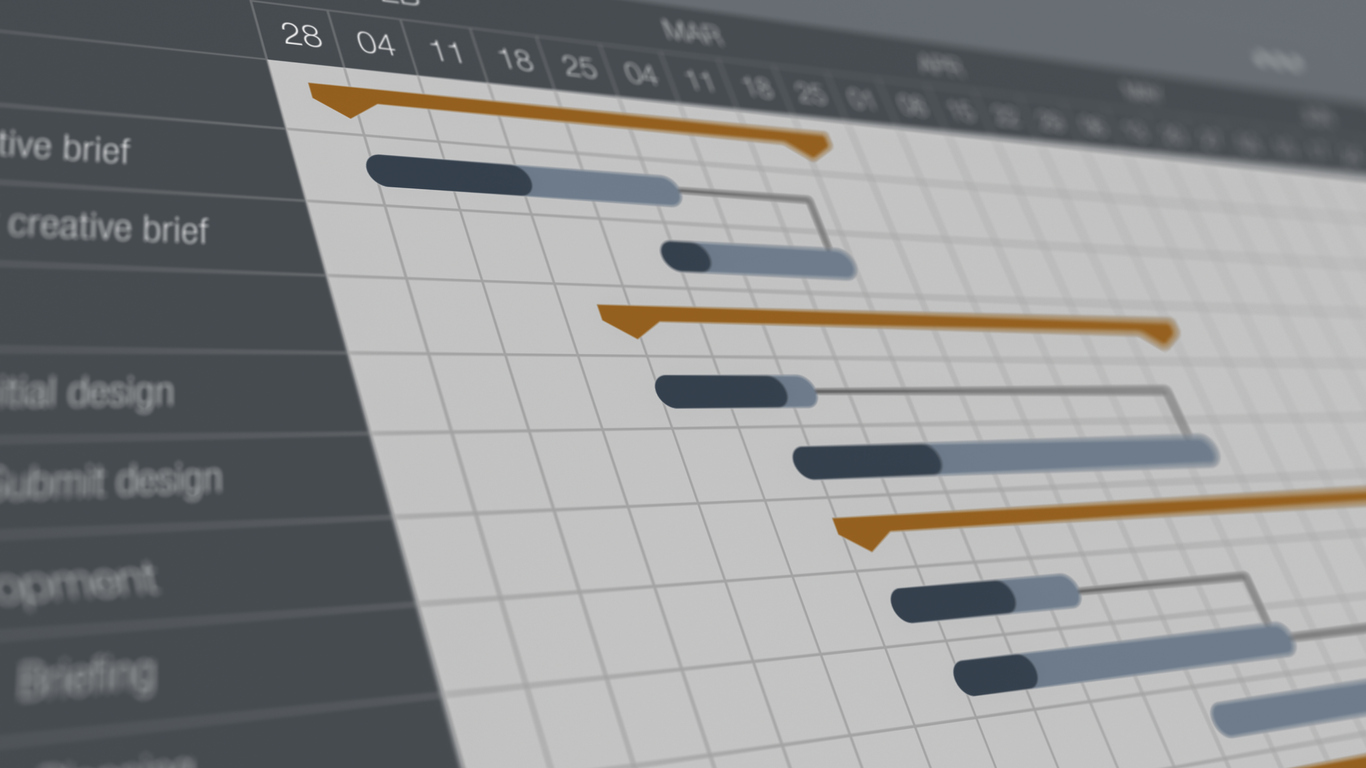
A planner describes a job scope in plain language. PANDAS autonomously retrieves the applicable procedures, drawings, vendor manuals, and design basis documents, then generates the complete package through deterministic pipelines. Work orders with step-by-step instructions pulled from plant procedures. Compliance forms populated from work order context. A resource-loaded schedule, email notifications, and a coordination meeting. Every output is sourced, traceable, and held for human approval. What takes a planning team days materializes in minutes.
Complete work packages from natural language scope descriptions
Parallel generation of work orders, compliance forms, schedules, and communications
User-uploaded document support including procedures, drawings, vendor manuals, and design change docs
Drawing analysis through vision AI for component details and configuration data
P6-ready schedule output with critical path and resource loading
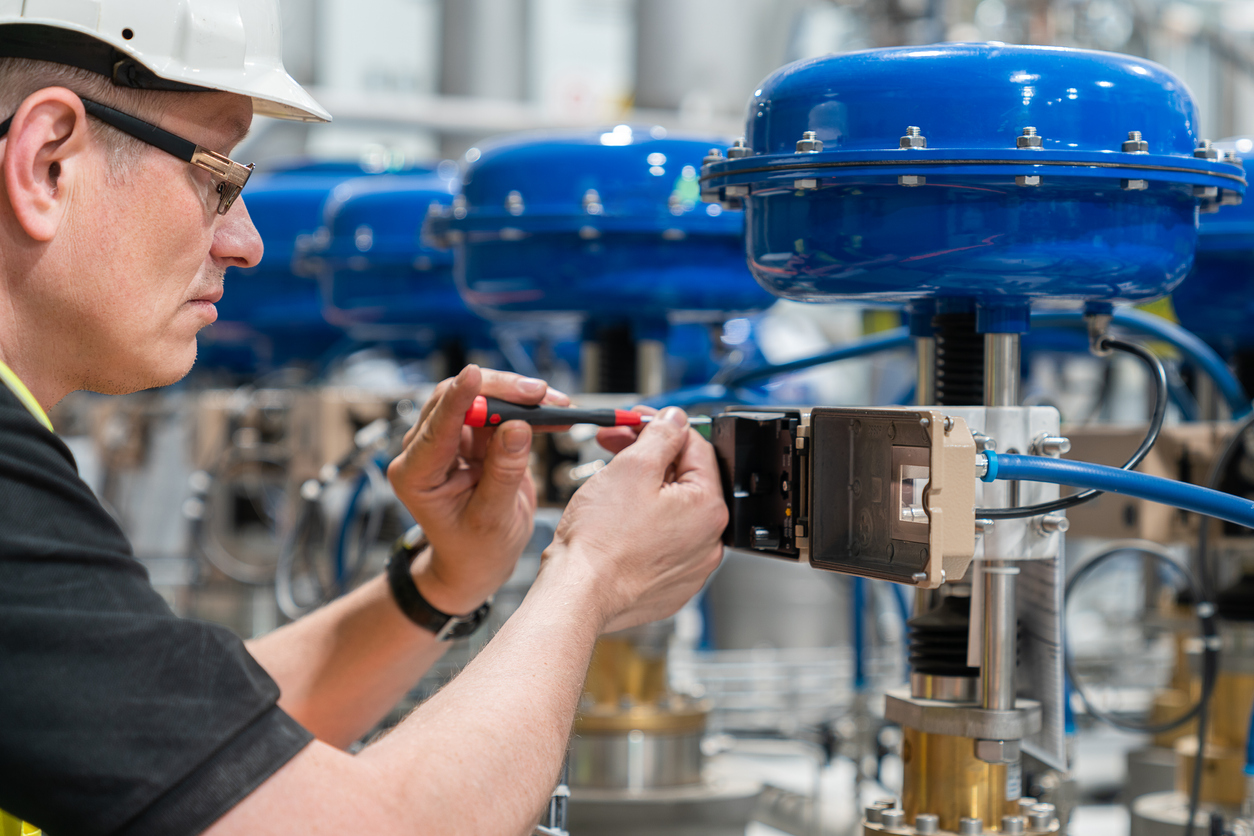
A field operator finds a leaking valve and speaks into their phone. PANDAS identifies the system, autonomously retrieves the applicable Technical Specification, and generates a Condition Report from plant-specific source data. It performs a full Operability Determination against the actual LCO requirements across the operating fleet, evaluates NRC reporting thresholds against 10 CFR 50.72 and 50.73 criteria, and chains the complete organizational response into work orders, compliance forms, a schedule, and stakeholder notifications. Every determination is built from retrieved plant documentation, not generated from memory.
Autonomous Tech Spec identification and LCO alignment across the operating fleet
Condition Reports with system classification, immediate actions, and priority
Operability Determinations with completion time tracking and compensatory measures
NRC 10 CFR 50.72 and 50.73 reporting threshold evaluation
Automatic downstream chaining through work planning, scheduling, and communications

An engineer describes a proposed modification. PANDAS autonomously retrieves the plant's design basis documents, FSAR sections, and applicable regulatory guides, then classifies the change. Safety classification, quality group, ASME class, seismic category, and environmental qualification. Each determination is evaluated against the retrieved source material. All eight 50.59 screening criteria are technically justified with citations to the applicable regulatory basis. The output is a complete package of professional engineering deliverables built from your plant's actual documentation.
Autonomous regulatory classification against applicable guides and standards
10 CFR 50.59 screening with technical justification for each criterion
Codes and standards identification including ASME, IEEE, and NRC Regulatory Guides
Interface review across all engineering disciplines
Affected documents, FSAR impact, and Bill of Materials with procurement classification

A system engineer asks whether a component should be replaced or run to failure. PANDAS retrieves industry failure rate databases, fleet operating experience reports from peer plants, NRC inspection history, and plant-specific maintenance and condition data. It calculates the economic case from this retrieved data, comparing reactive failure cost against proactive replacement, oriented to the plant's operational window. Recommendations are grounded in actual source data, not statistical generalizations.
Industry failure rate data across all applicable failure modes
Fleet operating experience from peer plant events
Plant-specific condition adjustment based on actual operating history
Economic framework: reactive cost vs. proactive replacement with outage risk
Actionable recommendations oriented to plant schedule

PANDAS connects to the enterprise. It does not replace it. Work orders built from retrieved plant procedures route to work management. Schedules format for direct P6 import. Emails send through enterprise mail with generated deliverables attached. Meetings create through collaboration platforms with calendar invites. Notifications route to the right people based on finding severity. Every output traces back to the source documents that informed it.
Work management system routing and status integration
P6-ready schedule output formatted for direct import
Enterprise email with HTML formatting and document attachments
Collaboration platform meeting creation with automated calendar invites
Role-based notification routing based on finding severity

Every use case described here can be demonstrated in real time with your plant conditions.
Request a Demo